Counterfeit designer bags have flooded the market, making it increasingly difficult for fashion enthusiasts to distinguish between an authentic luxury item and a cheap knockoff. However, by paying close attention to specific details, you can become adept at spotting fakes. This guide will walk you through the essential steps to identify a genuine designer bag.
Step 1: Examine the Overall Quality and Craftsmanship
Genuine designer bags are meticulously crafted with high-quality materials and exceptional attention to detail.
Key things to look for:
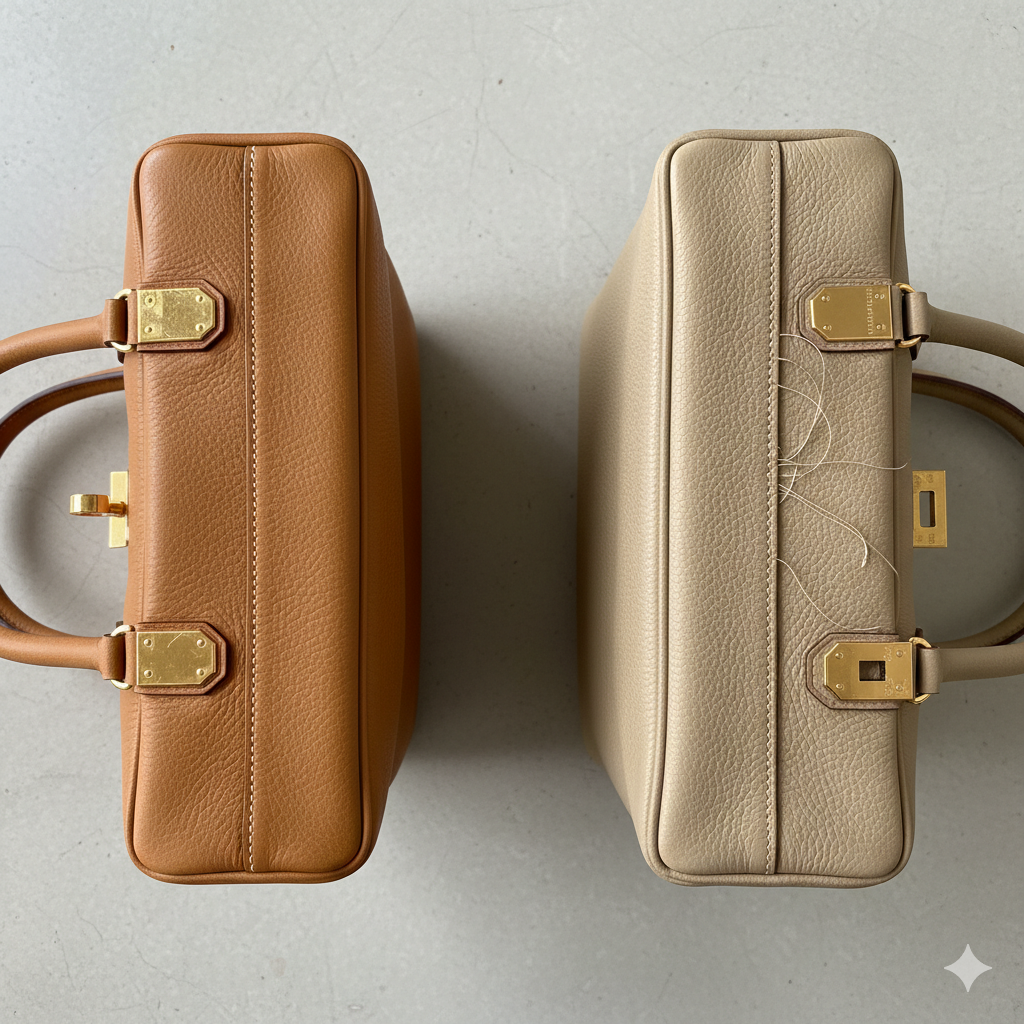
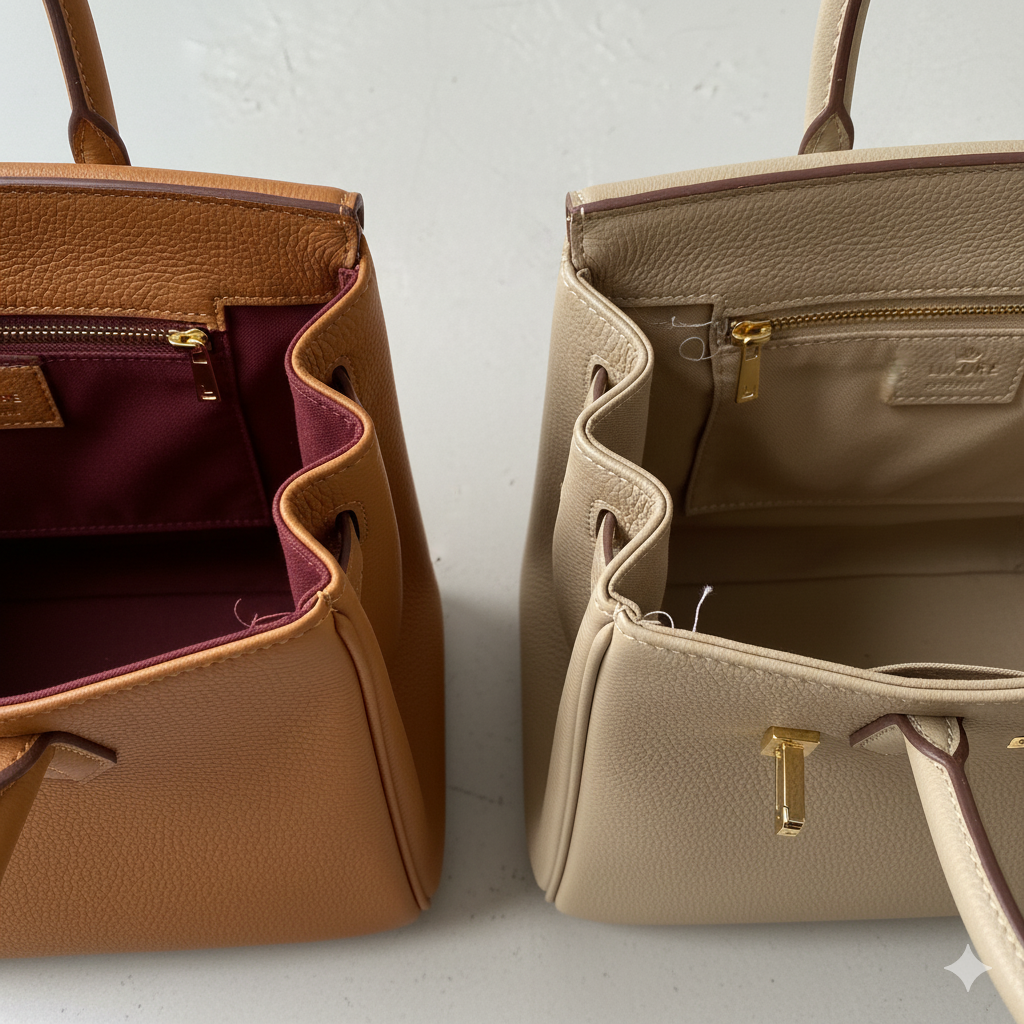
Stitching: Authentic bags have even, consistent, and strong stitching. There should be no loose threads, crooked lines, or skipped stitches. High-end brands often use specific stitch counts per inch.
Leather/Material: Feel the material. Genuine leather will have a distinct smell and a soft, supple, yet durable texture. Counterfeit bags often use synthetic materials that feel rigid, plasticky, or have an artificial sheen.
Structure and Shape: Designer bags hold their shape well, even when empty. Fakes may appear flimsy, saggy, or misshapen.
Step 2: Inspect the Hardware
Hardware is a significant indicator of authenticity.
Key things to look for:
Weight and Finish: Authentic hardware (zippers, buckles, clasps, feet) is usually made of solid metal, giving it a substantial weight. It should have a smooth, high-quality finish, often engraved with the brand’s logo. Fakes often use lightweight, cheap metal with a poor finish that might chip or tarnish quickly.
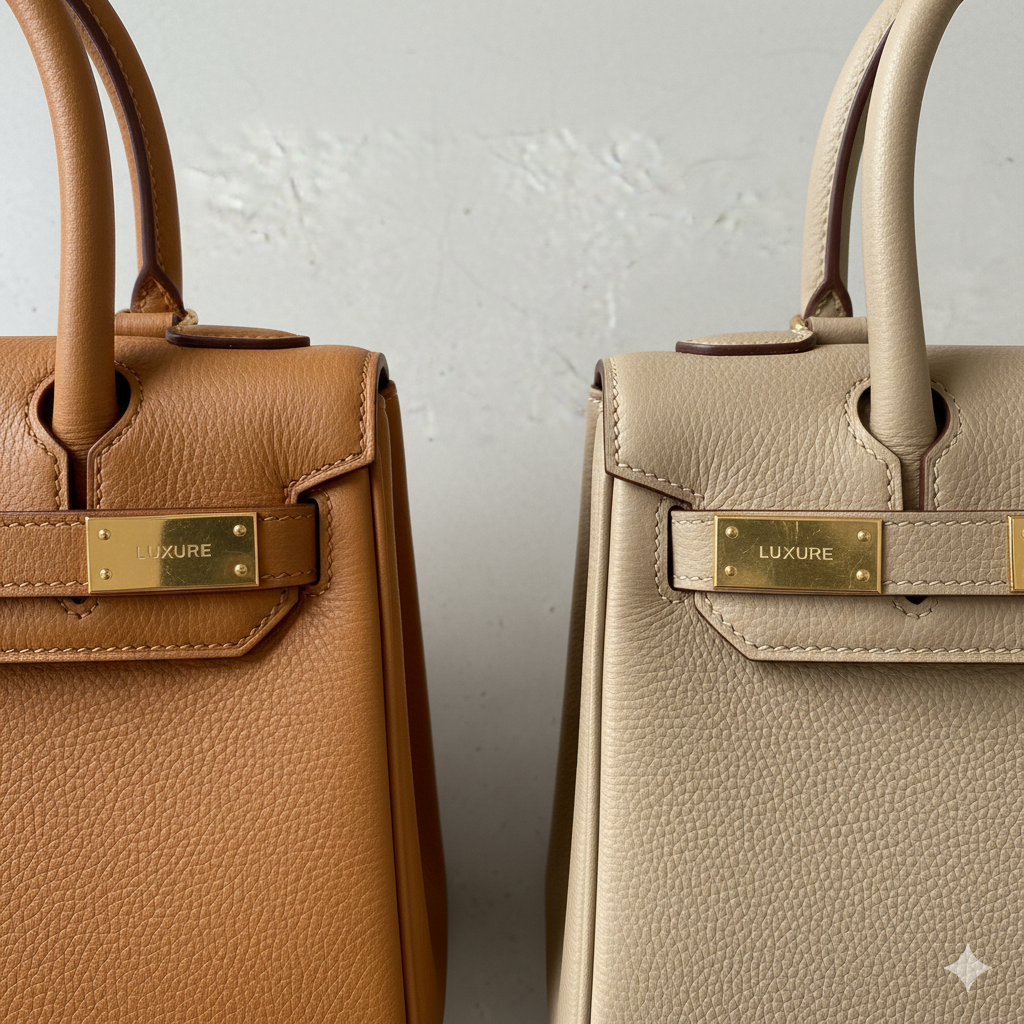
Brand Engravings: Ensure any brand logos or names engraved on the hardware are crisp, clear, and accurately spelled. Counterfeits often have sloppy, shallow, or misspelled engravings.
Zippers: Check the zipper pull and the zipper teeth. Many luxury brands use specific zipper manufacturers (e.g., Lampo, Riri) and will have their names or codes etched onto the zipper pull or the underside of the slider. The zipper should operate smoothly without snagging.
Step 3: Verify the Brand Logo and Monogram
The brand logo is a crucial element to scrutinize.
Key things to look for:
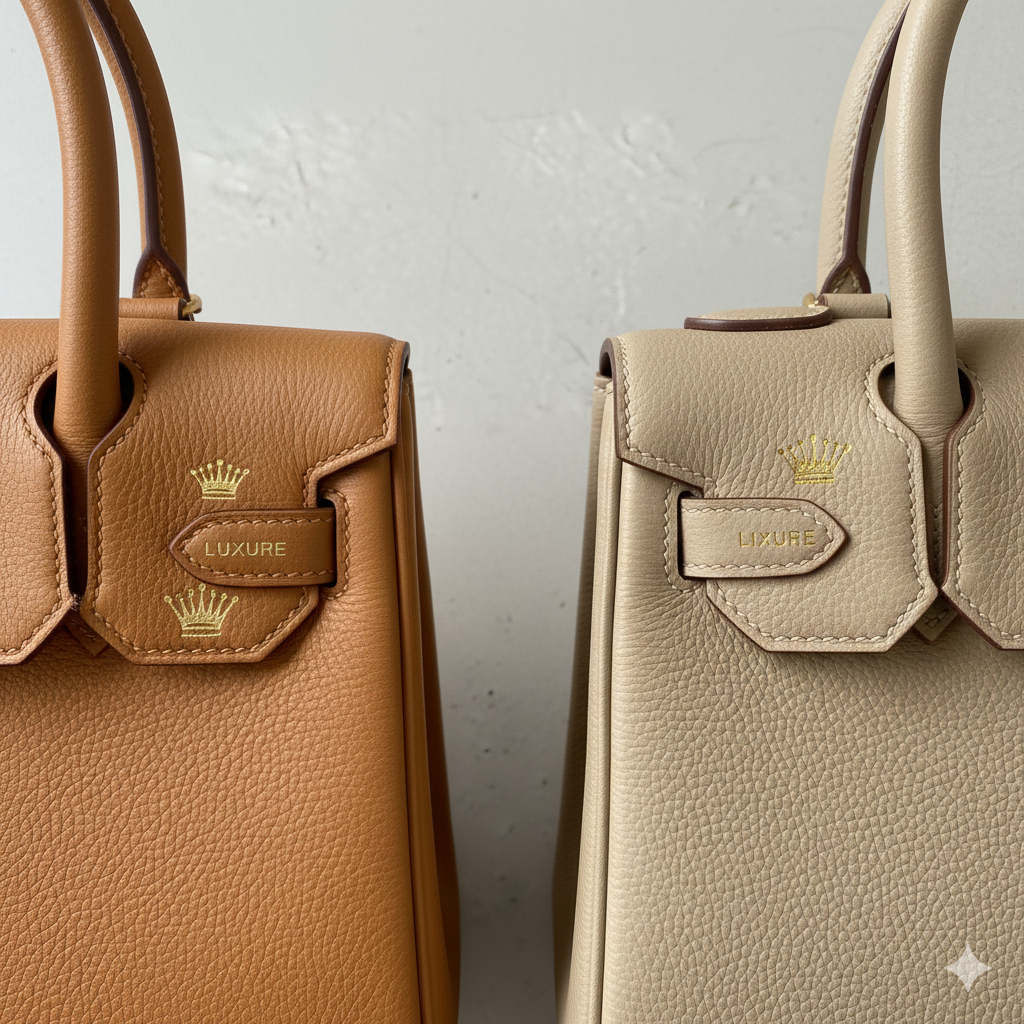
Placement and Alignment: The logo and any repeating monograms (e.g., Louis Vuitton’s LV print) should be perfectly symmetrical, consistently spaced, and correctly aligned. On authentic bags, patterns usually line up seamlessly at seams.
Font and Size: Compare the logo’s font, size, and spacing to official brand images. Any slight deviation can indicate a fake.
Embossing/Stamping: If the logo is embossed or stamped onto the leather, it should be deep, clear, and even. Fakes often have faint, uneven, or smudged stamps.
Step 4: Examine the Interior and Lining
Don’t overlook the inside of the bag.
Key things to look for:
Lining Material: Authentic bags use high-quality lining materials (e.g., suede, canvas, fine leather) that complement the exterior. Fakes often use cheap, synthetic, or poorly stitched lining.
Interior Pockets and Compartments: Check the construction of interior pockets. They should be neatly sewn and functional, with consistent stitching.
Interior Tags/Labels: Look for interior brand tags, date codes, and serial numbers. These should be clearly printed or embossed, accurately spelled, and match the brand’s specific format. Research the brand’s typical tag and serial number conventions.
Step 5: Check for Authenticity Cards and Dust Bags
While not foolproof, these accessories can offer additional clues.
Key things to look for:
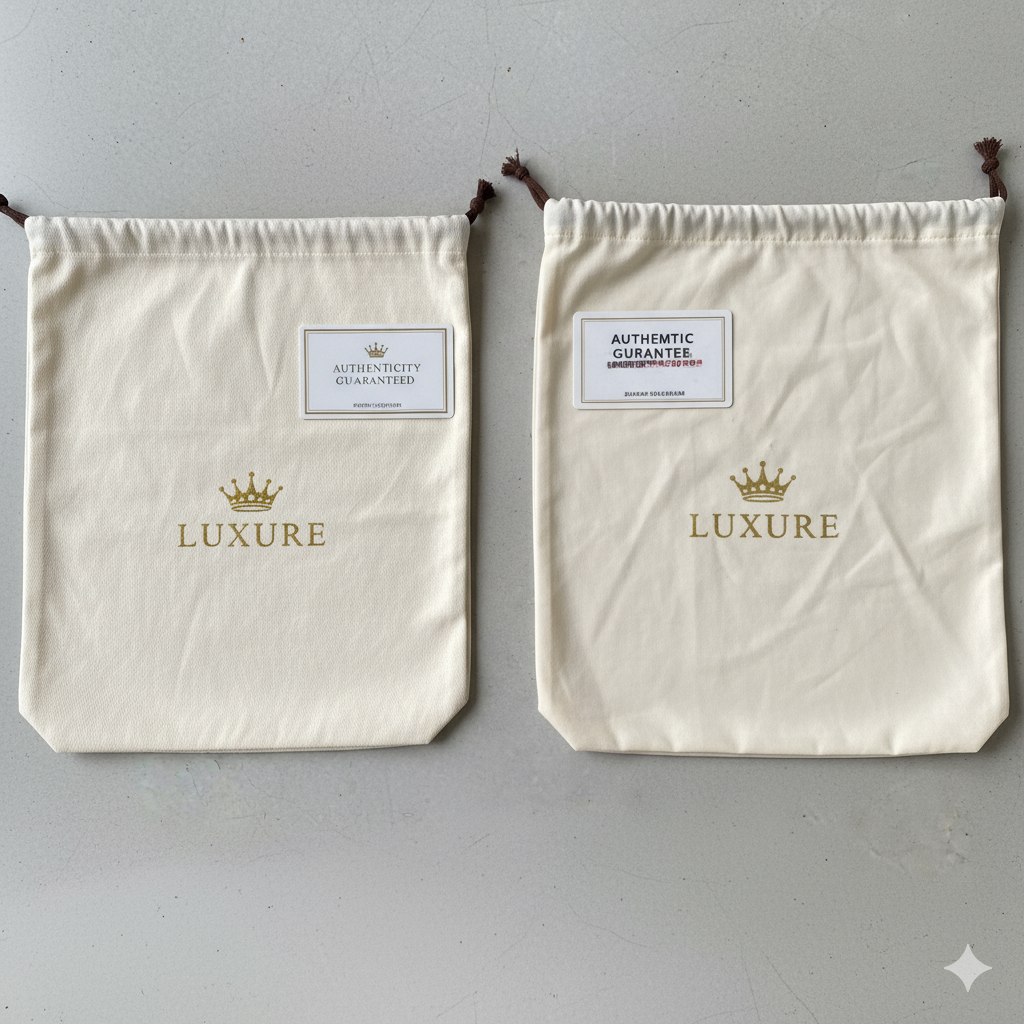
Authenticity Cards: Some brands include authenticity cards. Check the font, printing quality, and any holograms or security features. Be aware that many high-quality fakes now come with convincing fake cards.
Dust Bags: Authentic dust bags are typically made from soft, high-quality fabric, often with the brand’s logo neatly printed or embroidered. Fakes might come with flimsy, poorly made dust bags with cheap printing.
Step 6: Consider the Price and Seller
If the deal seems too good to be true, it probably is.
Key things to look for:
Price: Luxury bags command high prices due to their quality, craftsmanship, and brand prestige. A significantly discounted price, especially for a new or in-demand item, is a major red flag.
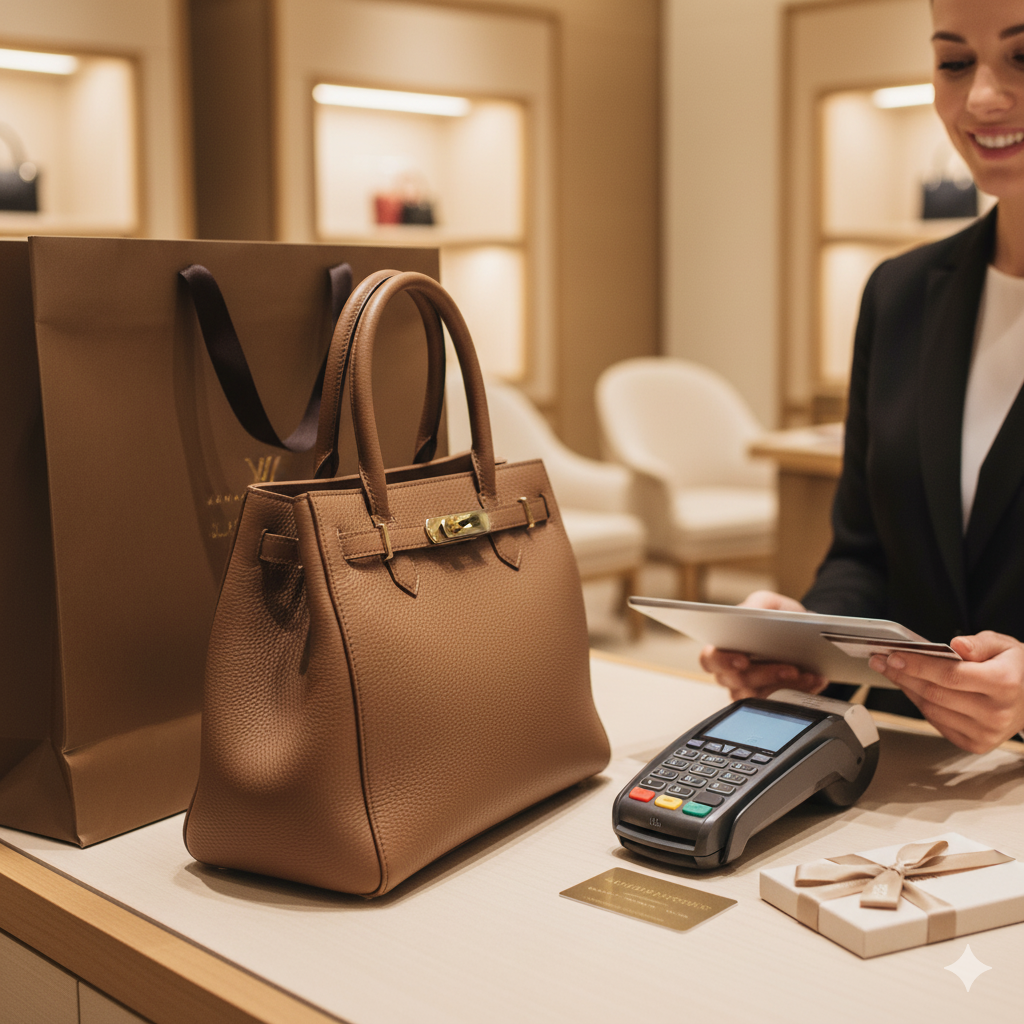
Seller Reputation: Always purchase from authorized retailers, reputable department stores, or well-vetted consignment shops. Be wary of individual sellers on online marketplaces with limited feedback or suspiciously low prices.
By meticulously following these steps and doing your research on the specific brand and model you’re interested in, you’ll significantly increase your chances of distinguishing an authentic designer bag from a counterfeit.
This post may contain affiliate links, which means I may earn a small commission if you shop through my links at no extra cost to you.