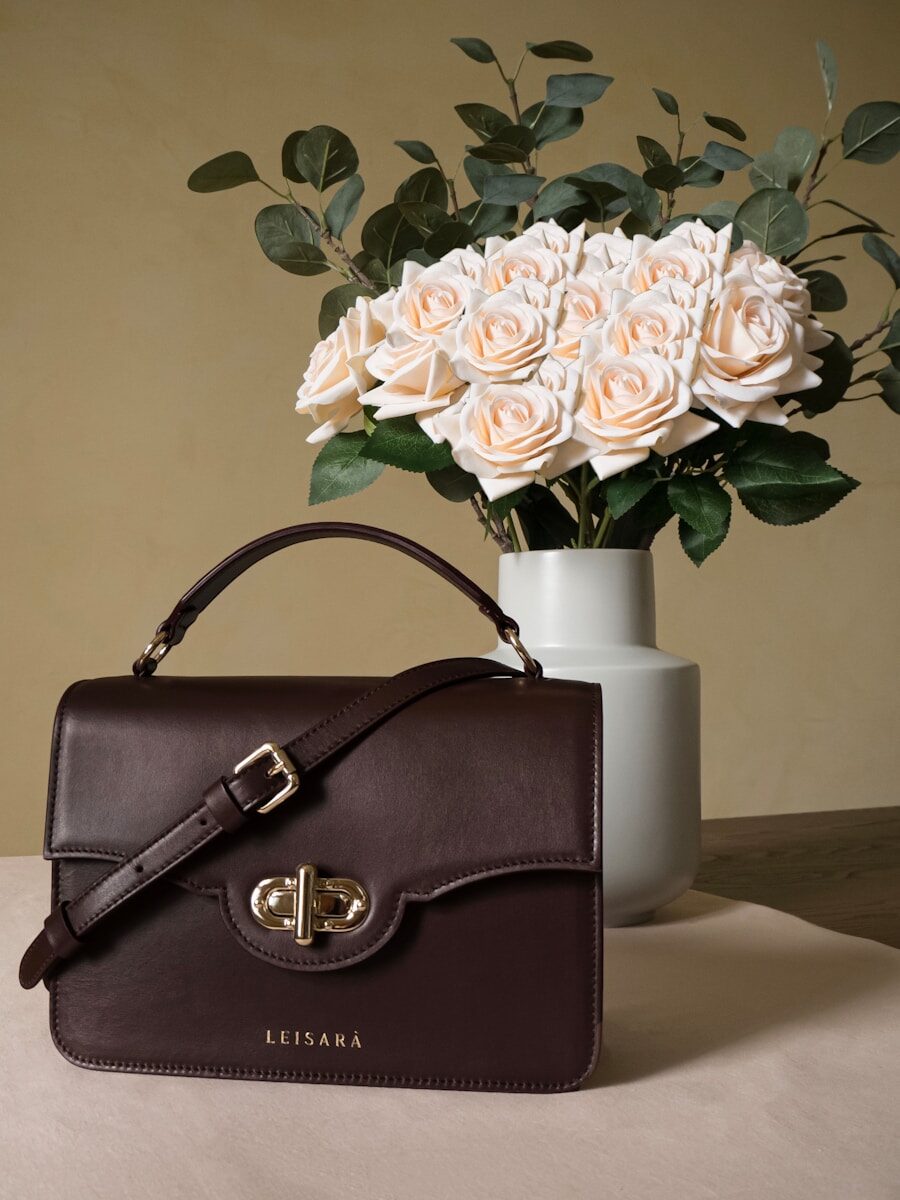
Luxury handbags are more than just accessories; they are symbols of status, craftsmanship, and a rich history that spans centuries. From their humble beginnings as simple purses to their current iconic status, the evolution of the luxury handbag mirrors changes in fashion, society, and technology.
1. Early Beginnings: The Pouch and the Pocket (15th-18th Centuries)
Before the handbag as we know it, people used simple pouches or purses to carry their belongings. These were often tied to a belt or hidden within clothing.
- Pochettes and Girdle Pouches: In the Middle Ages, both men and women used small leather or cloth pouches called “pochettes” or “girdle pouches” that hung from their belts. These were primarily functional, used to hold coins and other small essentials.
- The Rise of the Pocket: The 17th century saw the introduction of the sewn-in pocket for men’s clothing. This innovation made the external pouch largely obsolete for men. However, women’s dresses often lacked pockets, and they continued to rely on separate tie-on pockets worn under their skirts.
2. The Dawn of the Hand-Carried Bag: The Reticule (Late 18th-19th Centuries)
The late 18th and early 19th centuries brought about a significant shift in fashion. The Empire and Regency eras favored slender, high-waisted dresses that made tie-on pockets impractical. This led to the emergence of the “reticule” or “indispensable.”
- The Reticule: This small, elegant drawstring bag was the first true hand-carried bag for women. Made from luxurious materials like silk, velvet, and intricate beadwork, it was considered a fashionable accessory rather than just a utilitarian object. However, it was often ridiculed and nicknamed “ridicule” by some for its small size and perceived uselessness.
- Expansion of Materials: As the 19th century progressed, reticules evolved into more structured bags. New materials like metal frames, tortoiseshell, and even crocodile skin began to appear, signaling a move towards greater durability and a wider range of styles.
3. The Industrial Revolution and the Rise of the Modern Handbag (Late 19th-Early 20th Centuries)
The Industrial Revolution had a profound impact on the handbag. Increased travel, particularly by train, created a need for larger, more durable bags.
- From Purse to Handbag: The term “handbag” began to be used more frequently to describe these larger, more structured bags designed to hold more than just coins. They often featured handles and a more robust construction.
- Luggage and Leather Goods: Iconic brands like Louis Vuitton and Hermès, which were initially known for their high-quality luggage and equestrian goods, began to apply their craftsmanship to creating fashionable handbags. These were often designed for the wealthy elite who traveled extensively.
4. The Golden Age of the Handbag: Icons and Innovation (Mid-20th Century)
The mid-20th century is considered the golden age of the luxury handbag. This period saw the creation of some of the most enduring and recognizable bag designs.
- Chanel 2.55: In February 1955, Coco Chanel introduced the now-legendary Chanel 2.55, a quilted leather shoulder bag with a chain strap. Its design, inspired by military satchels, liberated women from having to hold their bags, allowing them to carry them hands-free. This was a revolutionary concept at the time.
- Hermès Kelly Bag: Originally named the Sac à dépêches, this structured, trapezoid-shaped bag gained immense popularity after Grace Kelly, the Princess of Monaco, famously used it to shield her pregnancy from paparazzi in 1956. Hermès subsequently renamed it the “Kelly Bag,” solidifying its status as a symbol of elegance and exclusivity.
- Hermès Birkin: The story of the Birkin bag is a modern legend. In 1984, actress and singer Jane Birkin sat next to Hermès’ chief executive, Jean-Louis Dumas, on a flight. She complained about not being able to find a suitable weekend bag. He sketched a new design on the spot, and the Birkin was born. The bag’s extreme exclusivity and long waiting list have made it a symbol of ultimate luxury.
- Fendi Baguette: A symbol of the late 90s, the Fendi Baguette was designed by Silvia Venturini Fendi in 1997. Its compact, elongated shape, designed to be carried under the arm like a French baguette, made it an instant “It” bag. It was famously featured on the TV show Sex and the City, solidifying its status as a pop culture icon.
5. The Digital Age and the Future of Luxury (21st Century)
Today, the luxury handbag market is more diverse and dynamic than ever. Social media and e-commerce have democratized access to information about new collections, and a new generation of consumers values sustainability and ethical production.
- Resale Market: The rise of the luxury resale market has made high-end handbags more accessible and has also highlighted their value as investment pieces.
- Street Style and Collaborations: The line between high fashion and street style has blurred, with brands collaborating with artists and designers to create unique, limited-edition bags.
- Technology and Innovation: The use of new materials, 3D printing, and digital authentication is changing how luxury bags are designed, produced, and sold.
From simple pouches to iconic investment pieces, the history of the luxury handbag is a testament to the evolving relationship between fashion, function, and society. Each bag tells a story, and the most iconic ones have become timeless works of art in their own right.
This post may contain affiliate links, which means I may earn a small commission if you shop through my links at no extra cost to you.